
Beyond the Install: Turning Warehouse Automation into Operational Advantage
Selecting the right automation technology for your warehouse or distribution center is only one part of the equation. Equally important are the people, processes and leadership practices required to ensure those investments deliver the business outcomes they were designed to achieve.
Many organizations view go-live as the finish line rather than the beginning of the value realization journey. In reality, procuring and implementing automation technology is often the easiest phase of the project. The greater challenge is creating the organizational readiness necessary to capture the full productivity, throughput, labor and service improvements outlined in the original business case.
The question is not simply whether the technology works. The question is whether the organization is prepared to adapt its processes, develop its workforce and operate differently enough to achieve sustainable results.
Common post-installation challenges can impede value realization, including employee resistance and uncertainty, inconsistent system utilization, temporary productivity disruptions during ramp-up periods and misalignment between operations, workforce expectations and technology capabilities.
The bottom line is that long-term automation success depends on a structured approach to operational transformation that aligns people, processes, leadership and technology. Organizations that prioritize transformation readiness are better positioned to accelerate ROI, reduce implementation risk and realize the competitive advantages automation can deliver.
Automation Is Business Transformation
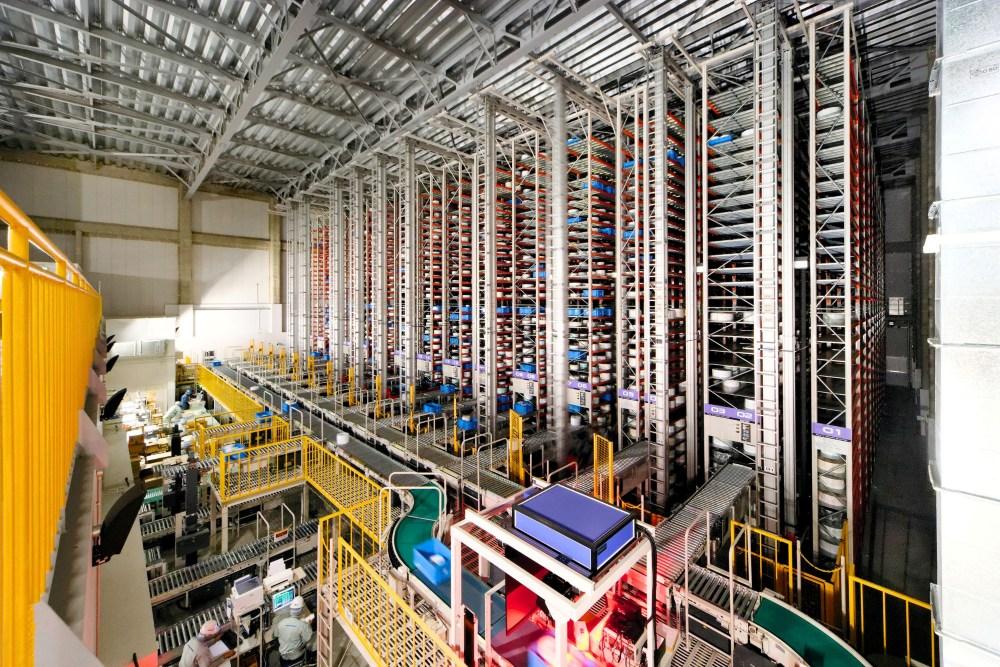
Organizations that view automation solely as an equipment or software installation often underestimate the scale of change required for success. Automation is fundamentally a business transformation initiative that influences how work is performed, how decisions are made and how performance is managed.
Automated solutions can drive significant operational improvements, including:
- Enhanced productivity and throughput
- Optimized workflows and resource utilization
- Improved operational visibility and decision-making
- Increased scalability and resilience
- Greater workforce efficiency through higher-value work
Just as importantly, automation changes the human side of operations. Employees transition from repetitive manual tasks to more strategic and value-added responsibilities. Teams gain access to advanced analytics and operational insights, while managers adopt new methods for managing performance and continuous improvement.
For this reason, transformation readiness should be treated as a dedicated workstream from the earliest stages of project planning, not as an activity that begins after installation.
Building Workforce Alignment Early

The most significant risks to automation success often emerge before the equipment arrives.
Employees naturally have questions about how automation will impact their day-to-day responsibilities. Common concerns include job security, role changes, training requirements, increased visibility into performance and the challenge of adopting unfamiliar technologies and processes.
These concerns are normal, but they must be addressed proactively. Leadership has a critical responsibility to communicate not only what is changing, but why the investment is being made and how it supports both business objectives and employee success.
A lack of communication can create uncertainty, reduce engagement and slow adoption. Conversely, organizations that engage employees early typically experience stronger workforce buy-in and a smoother transition after go-live.
Effective leaders recognize that resistance is often not opposition. More often, it is a signal that employees need additional clarity, information or involvement in the transformation process.
How to Build Trust Early
- Clearly communicate the business case for automation and the operational challenges the investment is designed to address.
- Explain how roles may evolve and identify opportunities for employee growth and development.
- Involve operators and frontline employees early to validate workflows, identify constraints and provide practical feedback that can improve system design.
- Establish formal and informal feedback channels that allow concerns to be addressed before they become barriers to adoption.
Make Transformation Readiness a Go-Live Requirement
A successful transformation strategy should begin well before equipment arrives onsite.
Organizations should develop a structured readiness plan that defines:
- What information will be communicated and when
- How operator input will be gathered and incorporated
- Training requirements and ownership
- Adoption support strategies
- Metrics for measuring workforce readiness and business impact
- Potential barriers that could delay adoption or value realization
Consistency across the organization is essential. Early engagement reduces uncertainty and creates alignment around project objectives, helping organizations achieve faster ramp-up and improved system utilization.
Training Is an Investment Multiplier

Training plays a critical role in accelerating value realization. The most effective training programs focus on more than equipment operation. Employees must understand how the new technology fits within broader workflows, how it contributes to operational goals and how it can help them perform more effectively.
Comprehensive training should include:
- Equipment operation
- Safety procedures
- Troubleshooting processes
- Workflow changes
- Performance expectations
- Business and operational objectives
Training should also be continuous rather than a one-time event. Ongoing learning opportunities help employees expand their skills and ensure the organization continues to maximize the value of its investment over time.
The Critical First 90 Days
The first 90 days after go-live often determine whether an automation project achieves its intended business outcomes. Organizations should expect a learning curve as employees adapt to new processes and technologies. Temporary productivity fluctuations are common and should be anticipated as part of the transition process.
Common challenges during this period include:
- Process bottlenecks
- User errors
- Workflow adjustments
- Inconsistent system utilization
- Variations in productivity performance
Leadership plays a critical role during this phase. Executives and operational leaders must remain visible, communicate progress regularly and address issues quickly before they impact adoption or performance.
Go-live is rarely followed by immediate optimization. Instead, organizations should view the initial months as a structured ramp-up period focused on stabilizing operations, reinforcing adoption and validating business performance against original objectives.
Leadership Drives Value Realization
Successful automation programs require visible and active leadership. Leaders must balance empathy for the challenges associated with change while consistently reinforcing the strategic importance of the investment and the outcomes it is intended to achieve.
Strong leaders also recognize and celebrate progress. Sharing success stories, highlighting milestones and recognizing employee contributions reinforces positive behaviors and strengthens engagement.
Beyond implementation, leadership should foster a culture of continuous improvement by encouraging employee feedback, identifying optimization opportunities and supporting innovation throughout the organization.
When employees see leadership actively invested in both the technology and the people using it, they are far more likely to embrace transformation and contribute to long-term success.
Automation Success Ultimately Comes Down to People
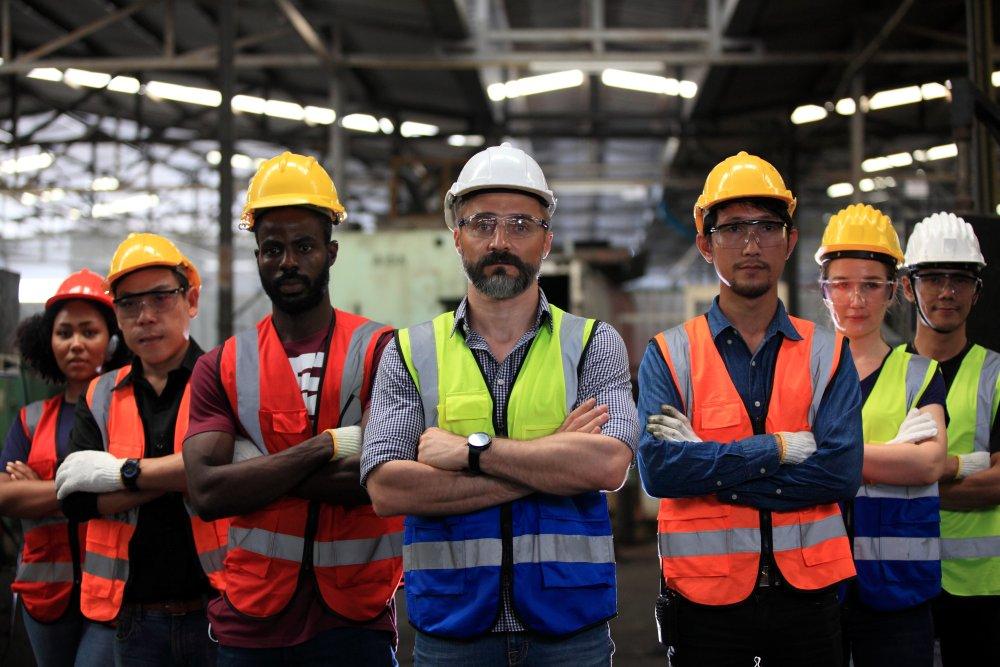
Warehouse automation can deliver significant operational benefits, but technology alone does not generate results.
The greatest determinants of success are often the organization's ability to prepare its workforce, align its processes and manage the transformation that accompanies new ways of working.
Organizations that invest in communication, training, employee engagement and post-go-live support are more likely to accelerate ROI, achieve targeted productivity improvements and sustain performance over the life of the investment.
The most successful operations do more than install automation. They create the organizational readiness necessary to realize its full value. Those that treat automation as an operational transformation rather than a technology deployment are ultimately better positioned to reduce risk, improve utilization and build a lasting competitive advantage.
The Total Solution Approach
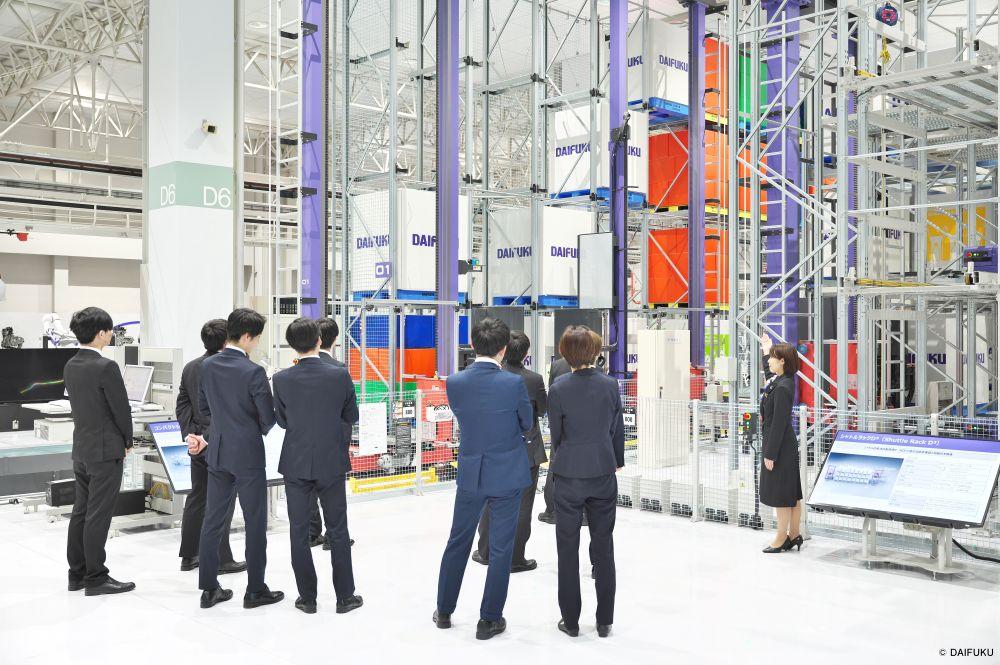
Automation success does not end at installation. It depends on preparing your people, aligning your processes, and having the right support in place before, during, and after go-live.
With Daifuku’s Total Solution Experience, we work with you across every stage of the automation journey, from consultation and system design to installation, training, and after-service. Leveraging capabilities such as simulation, emulation, and Digital Twin technologies, we help organizations validate system designs, identify potential risks before go-live, and support a smoother transition from implementation to operation. Our goal is to help ensure your investment delivers lasting operational value, not just new technology.
Start the conversation with our team to explore how Daifuku can support your next step toward automation readiness and long-term success.
David Campbell

SVP of Direct Sales and Marketing, Daifuku Intralogistics America
David Campbell is Senior Vice President of Direct Sales and Marketing at Daifuku Intralogistics America. With over 30 years of experience in material handling, supply chain automation, and distribution system solutions, he has built a career helping businesses improve efficiency, scalability, and operational performance. Drawing on expertise across engineering, operations, and commercial leadership, David is passionate about connecting customer needs with innovative automation strategies that deliver measurable business value.
