
Logistics ViewThe Indian Economy: Examining Its Potential and Challenges (Takahiro Sato)
India, with a population of roughly 1.46 billion, boasts the highest rate of economic growth in the world. More and more Japanese and other foreign-owned companies are pouring into India, and Daifuku also views the country as a priority market. With its demographic dividend, India is expected to see even greater economic growth in the future. However, it also faces a variety of challenges that may keep it from fully realizing its innate potential. We sat down with Dr. Takahiro Sato of Kobe University, who has long been a researcher of the Indian economy, to talk about its current state and outlook for the future.
Disclaimer: The views and opinions expressed in this article are solely those of the interviewed expert and do not necessarily reflect the official policy or position of Daifuku.
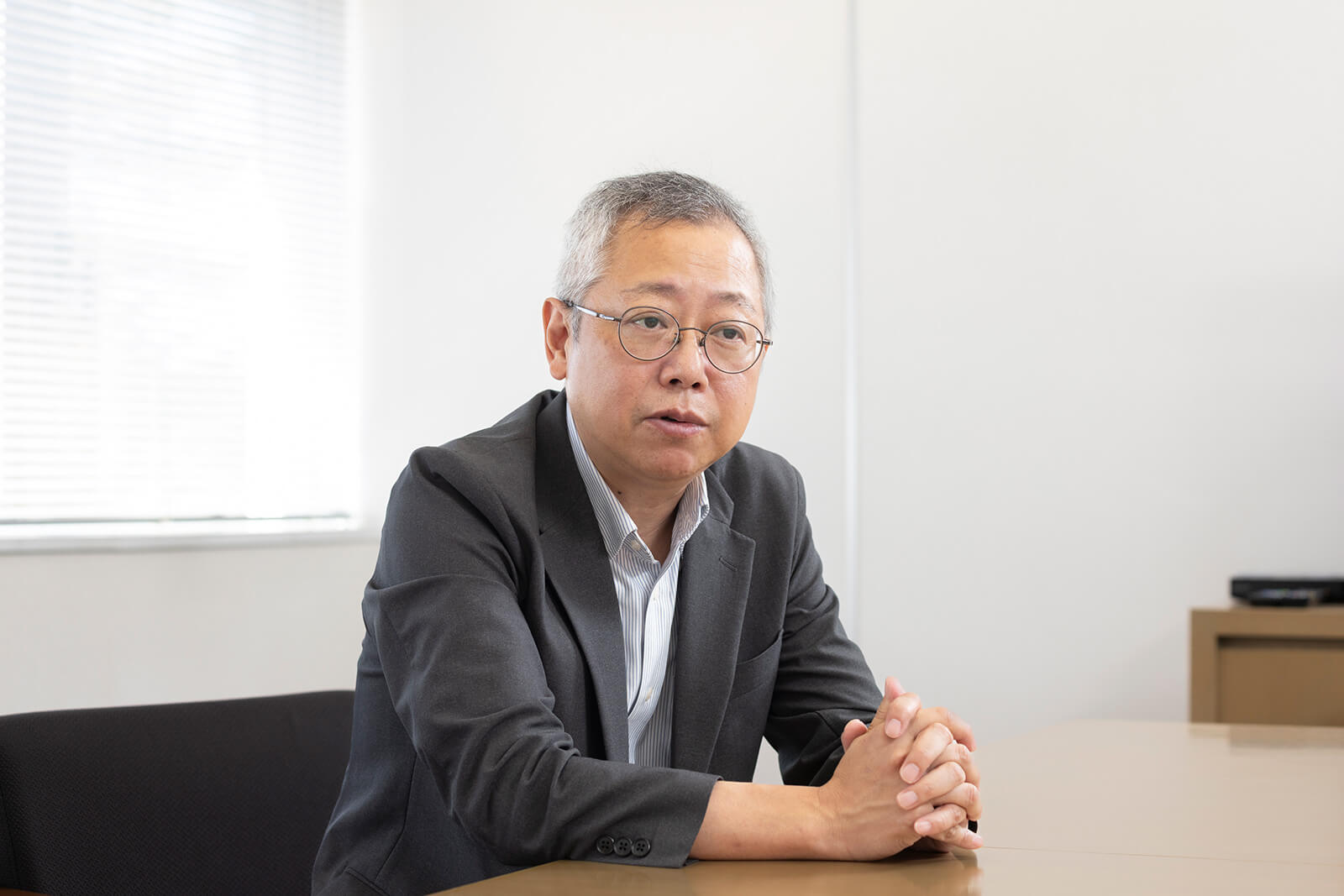
Research Institute for Economics and Business Administration, Kobe University
Professor/PhD (Economics)
Dr. Takahiro Sato
To begin, please tell us a bit about India’s economic growth.
Since the COVID-19 pandemic, India’s GDP has maintained growth of about 6.5% per year. This is the highest growth rate of any major country. The world expects great things from the Indian economy, and it has been said that India is likely to surpass Japan to become the fourth largest economic power in the world. Personally, I believe it has the potential to reach economic growth rates of 8–9% and that it may even surpass Germany in 2026 to become the third largest economy.
However, there are three policies that have restricted India’s growth from being able to perform up to its true potential. First, India withdrew some larger banknotes from circulation in 2016. India has deeply rooted cash-based commercial practices, so this policy caused turmoil in the economy. But since then, the impact has become minimal. Second, India imposed very strict lockdowns during the COVID-19 pandemic in 2020 and this had a severe impact on the economy. Third, India imposes excessive protectionism on labor-intensive industries. India protected uncompetitive industries like textiles and sewing with high tariffs on foreign goods. This weakened its competitive edge against countries like Bangladesh, Vietnam, and China, ultimately slowing down growth despite India’s potential.
India is said to have a demographic dividend. How does a demographic dividend cause economic growth?
A demographic dividend means that a country’s working-age population (15 to 64 years old) is larger than its non-working-age population (14 and younger or 65 and older). This means that the workforce is more than large enough to support the non-working population, and the working population’s ample buying power will drive consumption and economic growth.
Japan, South Korea, and other East Asian countries are experiencing a depopulation crisis with low fertility rates below 2.0, but India’s population continues to grow. In 2023, India’s population passed China to become the largest in the world. India’s population in 2025 is estimated to be somewhere between 1.45 and 1.46 billion, and by 2060 it is expected to grow to around 1.7 billion. India’s population growth not only creates a huge market, it is also expected to add between 10 and 15 million people to the country’s labor force every year. In summary, the Indian market has tremendous untapped potential both in terms of growth and labor supply.
The Indian Economy’s Untapped Potential: Background and Issues
Why has the Indian economy been unable to fully live up to its potential?
The Modi administration, which has been in power since 2014, has been pursuing a “Make in India” policy. This is a national policy that aims to bolster the domestic manufacturing industry by bringing in investment from around the world. It was launched as a strategy aiming to increase the manufacturing sector’s share of GDP and create employment. Although this did have benefits to some industries like smartphone production, India still fell short of some of its goals, such as bolstering its entire manufacturing industry to be more internationally competitive and addressing its trade deficit. The reasons for this are the three policies described earlier, especially the fact that India spent around a decade protecting uncompetitive domestic industries.
Another issue is the persistently high rates of unemployment among the youth. Despite having a demographic dividend, Indian society will continue to face instability unless its employment problems are resolved.
What is causing the employment problem?
The causes trace back to the lack of an employment environment appropriate for its education level and disparities in educational attainment. There are severe gaps in education level in some regions, and that has inevitably impacted workers as well. Although India’s overall level of educational attainment is on the rise, the issue is that the economy is not providing the jobs appropriate for that education level.
Economic Infrastructure: Current State and Issues
It has been said that there are issues with India’s infrastructure. Could you tell us about its current state and bottlenecks?
India as a whole has issues with its road networks and electrical infrastructure. The country has a rainy season (June to October) followed by a dry season (October to March). The persistent rains of the rainy season impact road usability, so infrastructure construction and maintenance projects often do not go as planned.
India’s central government has been pushing ahead on a national highway network connecting the country north to south, east to west, as well as the outer circumference, and the total length of highway in place has been steadily growing year by year. However, state roads operated by state governments face issues such as lack of funds and poor maintenance. Drainage systems are unable to handle all the runoff of the long rains of the rainy season, causing overflowing into roads and growing holes in road surfaces that cause cave-ins. This is being addressed through the construction of grade-separated junctions and highways called “flyovers,” but this construction itself has caused major traffic jams. Although infrastructure has improved compared to twenty years ago, there is still a way to go.
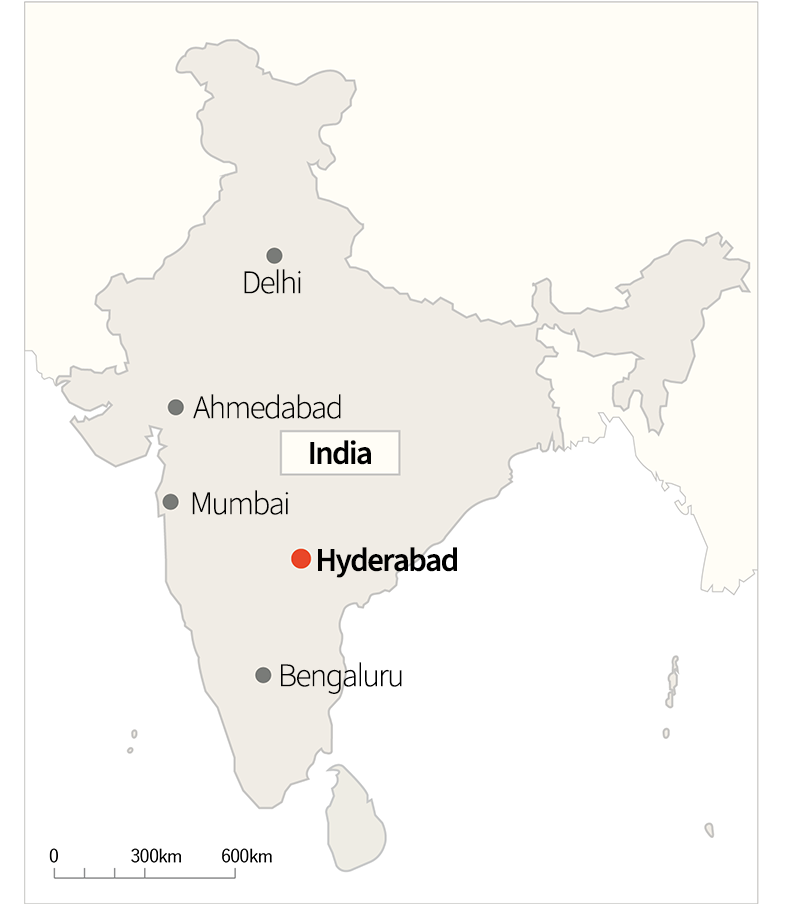
One piece of Indian infrastructure that deserves particular praise is the growing railroad network. Japan and India are collaborating on a major freight train rail project connecting the capital of Delhi with India’s largest economic center in Mumbai, roughly 1,500 km away. Another Japanese development aid project underway is to build India’s first high-speed rail line between Mumbai and Ahmedabad.
How is India’s energy infrastructure?
India’s electrical facilities have improved over time, but power outages are still a common occurrence. Even in industrial cities, there are planned outages on a regionally rotational basis once per week. Some companies entering the Indian market have to consider what facilities to introduce based on the state of local energy infrastructure. Meanwhile, there are many different licenses and strict regulations regarding the use of water for industrial purposes. Groundwater collected on factory grounds cannot be released off-premises after use and must be recycled within the plant itself. For that reason, there are also mounting investment costs for setting up water purification plants. Water recycling is also essential from a CSR perspective. For Indian companies, spending 2% of profits on CSR activities is one of the responsibilities of a company to society.
Hyderabad, Growing Science Hub of the South
Despite these various issues, the city of Hyderabad is advancing by leaps and bounds.
Hyderabad, the capital of the state of Telangana in south-central India, is making rapid progress and is the second largest city in southern India. The city is a tech hub on par with “India’s Silicon Valley” in Bengaluru.
Hyderabad is home to many BPO* and R&D centers, and the “GAFAM” group of U.S. companies are also active there. This city is a growing science hub powered by pharmaceuticals, biotech, and IT, and it owes some of its success to financial support from India’s central government as well as incentives from Telangana. One particularly accelerating trend has been the establishment of Global Capability Centers (GCCs) in Hyderabad. Unlike simple subcontractors working under foreign companies, a GCC is a strategic hub that provides support for incubators and start-ups in addition to performing back-office operations and other more advanced services that help generate added value. For example, a major American investment bank has established a branch of 10,000 personnel here that takes care of critical tasks for the U.S. headquarters. Hyderabad is a very attractive city from an economic growth perspective.
- * BPO: Business Process Outsourcing. This refers to the bulk outsourcing of some business processes to specialized contractors outside the company.
In closing, what are some important things for Japanese companies to keep in mind when considering entering the Indian market?
There are a lot of hurdles to Japanese companies acquiring land in India, so it is more realistic to set up a plant in an industrial park created through collaboration between the Japan External Trade Organization (JETRO) and various state governments. For greenfield investment, I think entering an industrial park that already has infrastructure in place is a good option when setting up a new overseas subsidiary in India. If speed is essential, it may be best to go with brownfield investment like Daifuku and acquire a local company via M&A. This is a faster way to set up a local subsidiary than starting from scratch because it is possible to use local assets already in place.
India, with its demographic dividend, is expected to see a wave of automation begin in earnest. Automation solutions have seen limited implementation in India thus far, but they have many advantages including more stable and efficient manufacturing. Particularly in specific industries like semiconductors and automobiles, as well as for companies looking to get an edge on the competition, it is likely that there will be more use cases for Daifuku’s material handling technology in the future.
Manual labor continues to play an important role in processes like product picking and packaging. The right mix of machinery and people is needed for a material handling system best suited to the Indian market specifically, and I believe such a system will contribute greatly to India’s development.
Daifuku plant in Hyderabad
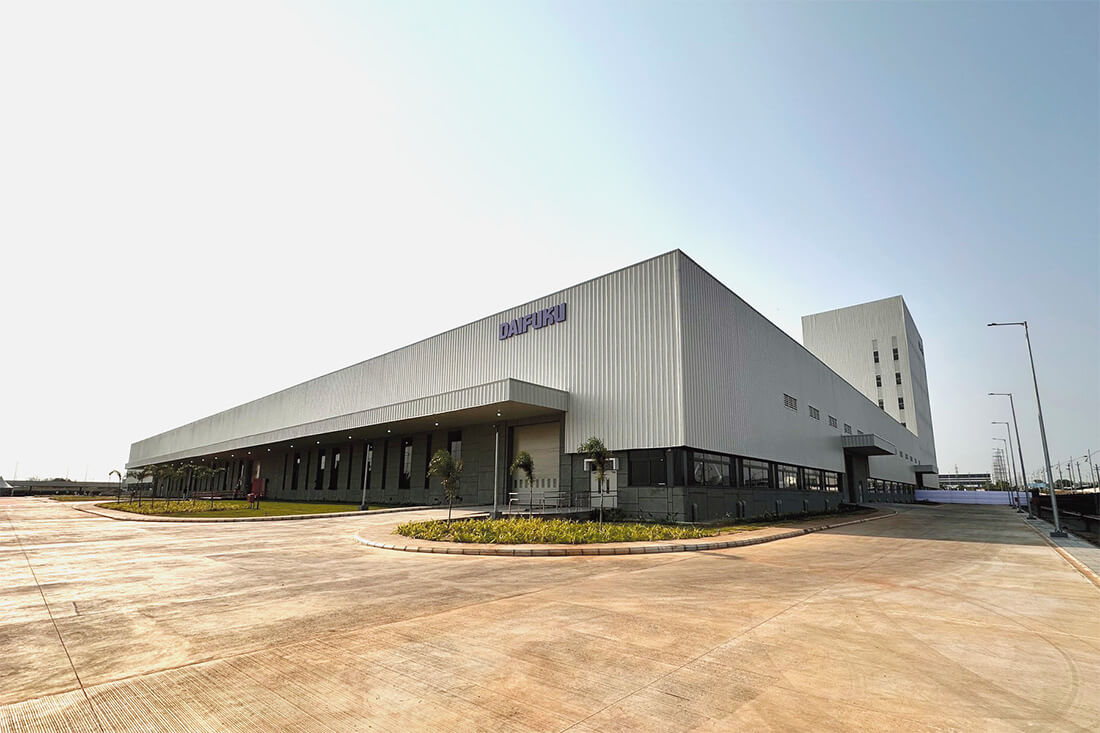
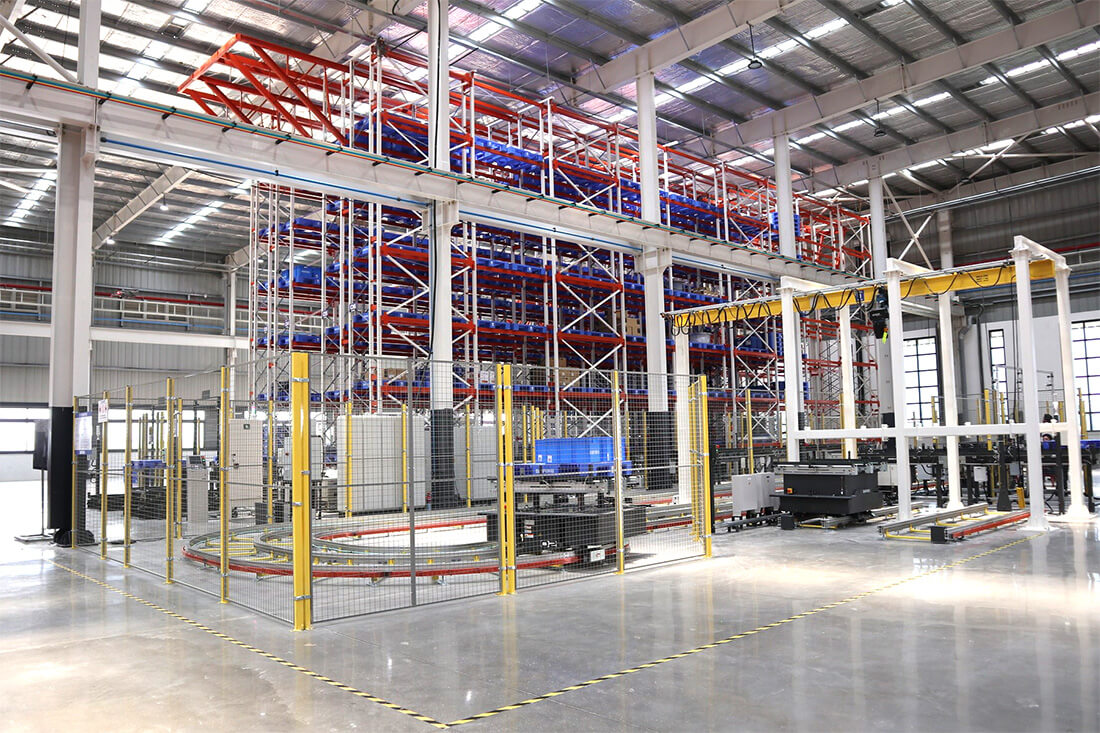
Daifuku’s new Hyderabad plant became fully operational in April 2025, producing systems for the manufacturing and distribution sectors. Specifically, this plant manufactures cranes and conveyor for automatic storage and retrieval systems and other products that serve automation demand. Moreover, Daifuku engages in local production for local consumption, raising the rate at which parts and materials are procured locally and reducing production costs. Daifuku will also contribute to CSR activities by setting up solar power systems and biological wastewater treatment plants.
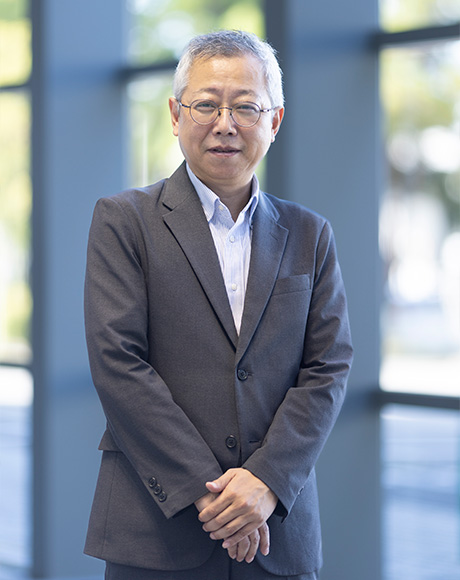
Dr. Takahiro Sato
Born in 1970. He completed the Master’s Program at the Graduate School of Commerce, Doshisha University, and withdrew from the Doctoral Program after obtaining the required credits. He earned his Ph.D. in Economics from Osaka City University. In 2004, he served as a Visiting Researcher at the Institute for South Asia Studies, University of California, Berkeley. In 2011, he was a Fellow at the Jawaharlal Nehru Institute of Advanced Studies, Jawaharlal Nehru University. In 2012, he became Professor at the Research Institute for Economics and Business Administration, Kobe University. In 2011, he was also a Visiting Researcher at the Centre for East Asian Studies, Jawaharlal Nehru University. He is currently Professor and Deputy Director of the Research Institute for Economics and Business Administration, Kobe University. His publications include the Illustrated Encyclopedia of the Indian Economy (Hakuto-Shobo, 2021), Opportunities and Challenges of Economic Superpower India (Hakuto-Shobo, 2023), and New New Trade Theory and the Indian Economy (Minerva Shobo, 2025). His research focuses on development economics and Indian economic studies.