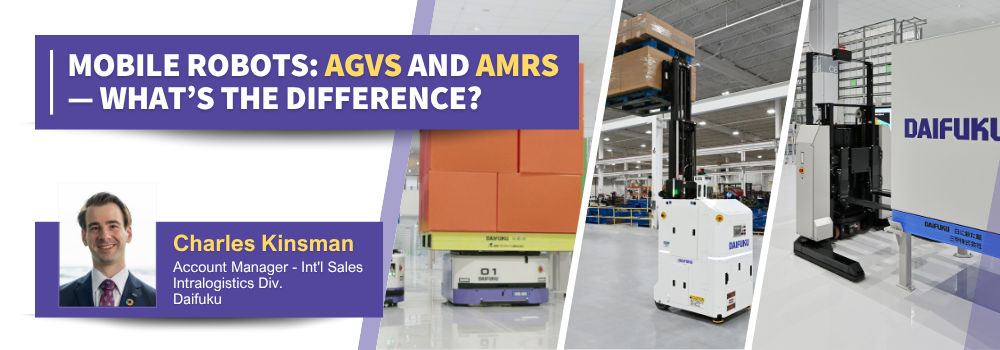
หุ่นยนต์เคลื่อนที่: AGV และ AMR — ต่างกันอย่างไร?
หากคุณทำงานใกล้กับคลังสินค้าหรือโรงงานผลิตที่ใช้หรือกำลังพิจารณาใช้ระบบอัตโนมัติ คุณอาจเคยได้ยินคำว่า AGV และ AMR มาบ้างแล้ว บางครั้งก็ใช้คำเหล่านี้อย่างถูกต้อง บางครั้งก็ใช้แทนกันได้ และบางครั้งก็ใช้ผิด ทั้งสองระบบโดยพื้นฐานแล้วทำหน้าที่ขนส่งจากจุดหนึ่งไปยังอีกจุดหนึ่ง ดังนั้น อะไรคือความแตกต่างที่แท้จริงระหว่างเทคโนโลยีหุ่นยนต์เคลื่อนที่เหล่านี้? และช่องว่างเหล่านั้นกำลังลดลงหรือไม่?
นิยามต่างๆ มีอยู่จริง — แต่ความเป็นจริงนั้นบางครั้งก็คลุมเครือ
ตามธรรมเนียมแล้ว ความแตกต่างมักจะอธิบายได้ประมาณนี้:
- ยานพาหนะนำทางอัตโนมัติ (AGV) จะเคลื่อนที่ตามเส้นทางที่กำหนดไว้ โดยมักใช้สิ่งนำทางทางกายภาพ เช่น สายไฟ เทปแม่เหล็ก รหัส QR และบางครั้งอาจใช้การนำทางโดยอาศัยลักษณะทางธรรมชาติและเลเซอร์ด้วย
- หุ่นยนต์เคลื่อนที่อัตโนมัติ (AMR) นำทางแบบไดนามิก โดยใช้เซ็นเซอร์ เช่น LiDAR กล้อง และซอฟต์แวร์บนตัวหุ่นยนต์ เพื่อวางแผนเส้นทางและหลีกเลี่ยงสิ่งกีดขวางแบบเรียลไทม์
อย่างไรก็ตาม ระบบในปัจจุบันทำให้เส้นแบ่งเหล่านี้เลือนรางลงเรื่อยๆ ยานพาหนะอัตโนมัติที่ควบคุมด้วยระบบไร้สาย (AGV) หลายๆ รุ่นในปัจจุบันได้รวมเอาการนำทางระดับสูง การตรวจจับสิ่งกีดขวางที่ล้ำหน้ากว่า การกำหนดเส้นทางแบบไดนามิก และซอฟต์แวร์การจัดการฝูงยานพาหนะเข้าไว้ด้วยกัน ในขณะเดียวกัน ยานพาหนะอัตโนมัติเคลื่อนที่ได้ (AMR) บางรุ่นยังคงใช้รหัส QR หรือการนำทางแบบตารางอื่นๆ ในการระบุตำแหน่งและการเคลื่อนที่
ลองนึกถึงรถ AGV ที่ปกติวิ่งตามเส้นทาง A แต่จะเปลี่ยนไปใช้เส้นทาง B (ทั้งสองเส้นทางถูกกำหนดไว้ล่วงหน้าแล้ว) เมื่อเส้นทางหลักถูกปิดกั้น การเคลื่อนที่แบบนี้เรียกว่าการเคลื่อนที่อัตโนมัติหรือไม่? บางคนอาจโต้แย้งว่าไม่ใช่ ในขณะที่บางคนอาจอธิบายว่าเป็นรูปแบบหนึ่งของการเคลื่อนที่อัตโนมัติแบบ "ไฮบริด" ในหลายกรณี ไม่มีคำตอบที่ได้รับการยอมรับอย่างเป็นสากล
โดยสรุปแล้ว ระบบเหล่านี้ล้วนเป็นหุ่นยนต์เคลื่อนที่ วิธีการนำทางเพียงอย่างเดียวไม่ได้เป็นตัวกำหนดว่าโซลูชันนั้นล้ำหน้าหรือมีประสิทธิภาพเพียงใด ตัวอย่างเช่น ระบบที่ใช้คิวอาร์โค้ดและเทปแม่เหล็กยังคงถูกใช้งานอยู่เพราะมีความน่าเชื่อถือ ปรับขนาดได้ และเหมาะสมกับสภาพแวดล้อมทางอุตสาหกรรมหลายแห่ง จึงยังคงเป็นทางเลือกที่ใช้ได้ผลดีหากนำไปใช้อย่างถูกต้อง
สิ่งที่สำคัญอย่างแท้จริงคือ วิธีแก้ปัญหาที่ถูกต้อง
หลายคนใช้คำว่า AGV และ AMR สลับกันไปมาเมื่อพูดถึงโครงการระบบอัตโนมัติเคลื่อนที่ นั่นไม่ใช่เพราะความประมาท แต่เป็นเพราะคนส่วนใหญ่ไม่ค่อยให้ความสำคัญกับคำเรียกขาน สิ่งที่สำคัญที่สุดคือผลลัพธ์:
- วิธีการนำทางนี้เหมาะสมกับสภาพแวดล้อมของฉันหรือไม่?
- อุปกรณ์ยกของนี้เหมาะสมกับน้ำหนักบรรทุกของฉันหรือไม่?
- มันจะทำงานร่วมกับระบบการทำงานของฉันได้อย่างราบรื่นหรือไม่?
- มันสามารถปรับขนาดตามปริมาณที่เปลี่ยนแปลงได้หรือไม่?
- ปลอดภัย น่าเชื่อถือ และได้รับการสนับสนุนในระยะยาวหรือไม่?
โดยทั่วไปแล้ว การที่ระบบนั้นถูกจัดประเภททางเทคนิคว่าเป็น AGV หรือ AMR นั้นเป็นเรื่องรอง คำศัพท์มีความสำคัญสำหรับวิศวกรและนักออกแบบระบบ แต่สำหรับผู้ใช้งานทั่วไปแล้ว มันเป็นเพียงคำย่อสำหรับ "หุ่นยนต์ที่เคลื่อนย้ายสินค้าได้อย่างมีประสิทธิภาพ"
เป้าหมายหลักคือการหาความเหมาะสมที่ใช้งานได้จริง ระบบ AGV ที่ออกแบบมาอย่างดีสามารถทำงานได้ดีกว่าระบบ AMR ที่ไม่เหมาะสม และในทางกลับกัน ปัจจัยสำคัญคือการมีพันธมิตรด้านระบบอัตโนมัติที่เข้าใจหุ่นยนต์เคลื่อนที่ในทุกด้านและสามารถแนะนำแนวทางที่ถูกต้องได้
ภาพรวมโซลูชันหุ่นยนต์เคลื่อนที่
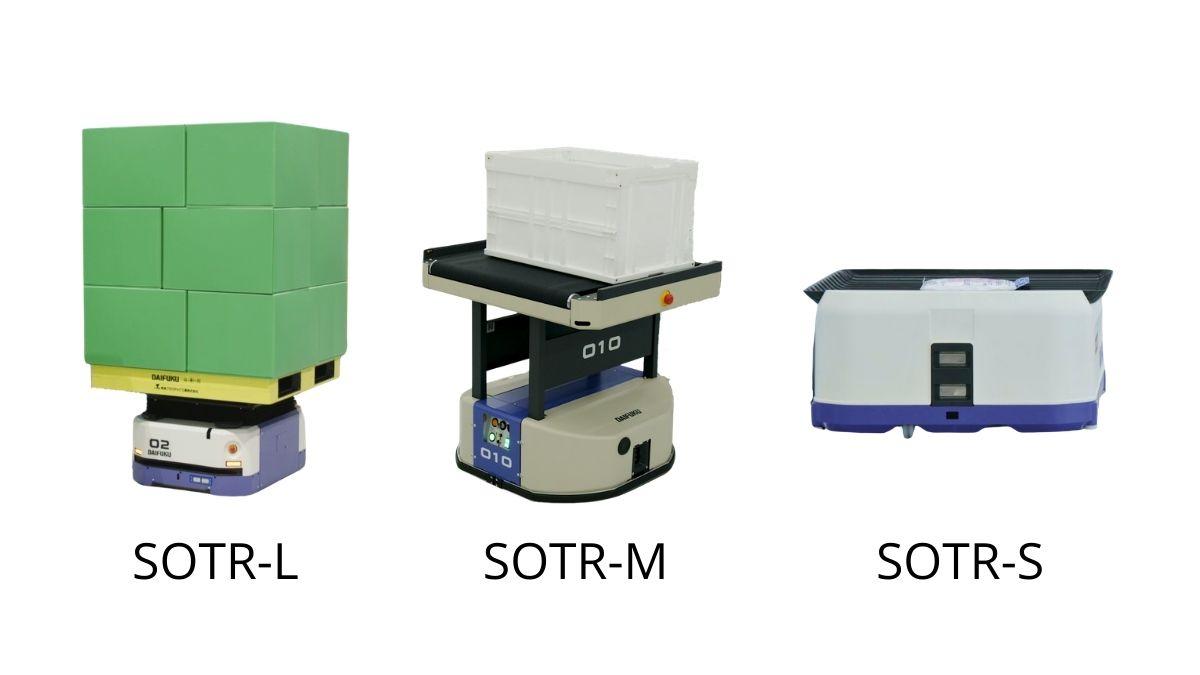
บริษัท Daifuku นำเสนอโซลูชันหุ่นยนต์เคลื่อนที่หลากหลายประเภท รวมถึง Sorting Transfer Robot (AGV) และหุ่นยนต์เคลื่อนที่อัตโนมัติ (AMR) ที่ได้รับการพิสูจน์แล้วหลายรุ่น
- SOTR-S– ออกแบบมาเพื่อรองรับน้ำหนักบรรทุกน้อยและแอปพลิเคชันการคัดแยกที่ยืดหยุ่น
- SOTR-M– โซลูชันที่ปรับขนาดได้สำหรับการขนส่งกล่องและลังสินค้า
- SOTR-L– ออกแบบมาเพื่อการคัดแยกและขนส่งสินค้าที่มีน้ำหนักมาก
- Smart Handling– กลุ่มผลิตภัณฑ์ครบวงจรของรถยก รถลำเลียงอัตโนมัติแบบอุโมงค์ รถประกอบ และรถลากจูง สำหรับการขนถ่ายสินค้าขนาดใหญ่ จากหน่วยธุรกิจ Smart Handling ของเรา
ชาร์ลส์ คินส์แมน

ผู้จัดการบัญชีลูกค้า - ฝ่ายขายต่างประเทศ แผนก Intralogistics บริษัท ไดฟุกุ
ชาร์ลส์มีพื้นเพมาจากสหรัฐอเมริกา ย้ายมาอยู่ที่ญี่ปุ่นในปี 2019 หลังจากสำเร็จการศึกษาระดับปริญญาตรีสาขาธุรกิจระหว่างประเทศและภาษาญี่ปุ่น นับตั้งแต่เข้าร่วมงานกับไดฟุกุในปี 2023 เขาได้มีบทบาทสำคัญในการกำกับดูแลโครงการ Intralogistics ในภูมิภาคโอเชียเนีย และให้การสนับสนุนโครงการต่างๆ ในสหรัฐอเมริกาและญี่ปุ่น
